APPLICATION 01
Apparel production
Review employment, safety and production-site responsibilities.
INTERNATIONAL / RESPONSIBLE PRODUCTION
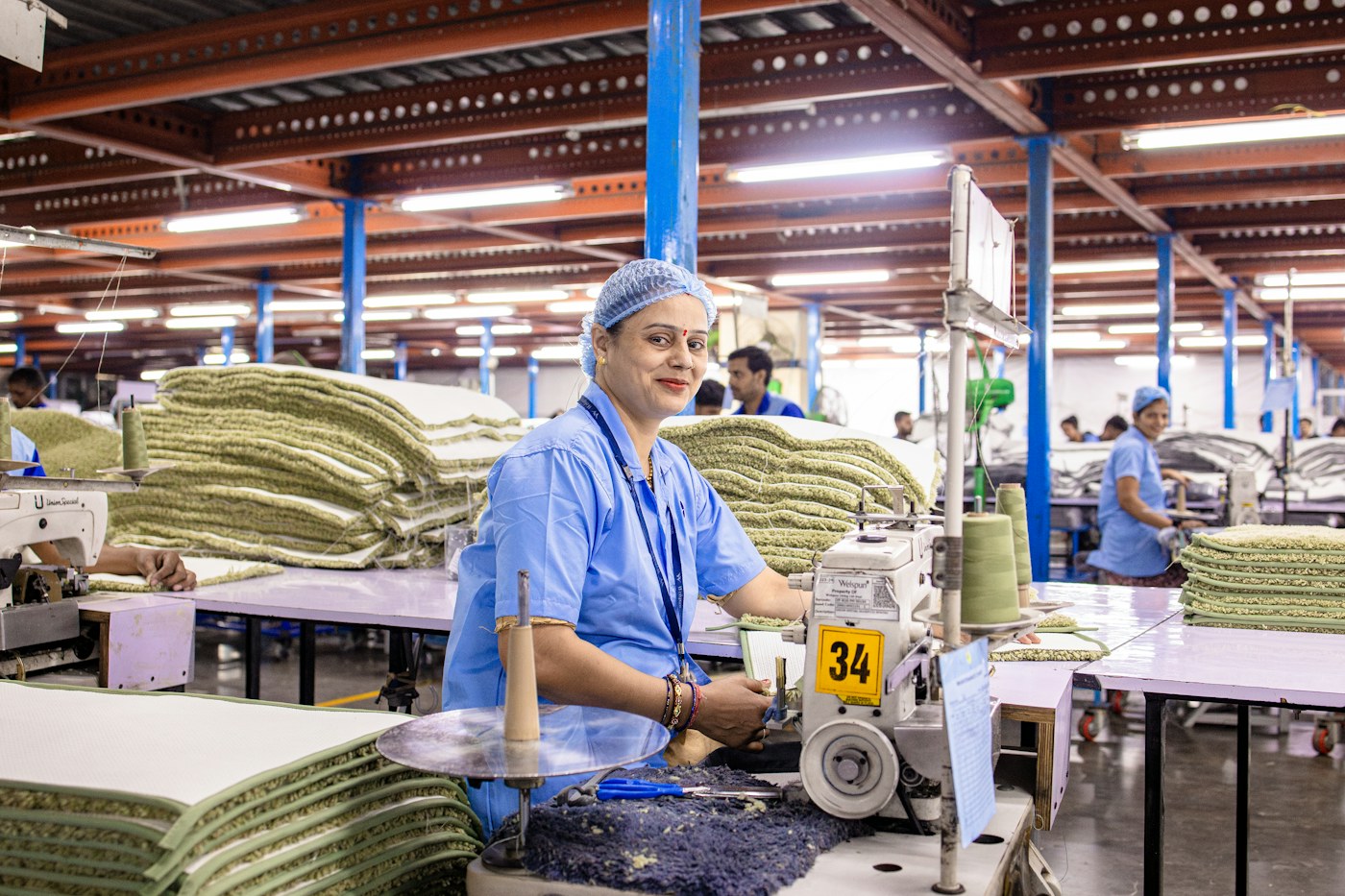
Prepare production facilities for WRAP’s social compliance certification process by reviewing workplace practices, management systems and corrective action evidence against the programme’s principles, with support for independent audit readiness.
YOUR MARKETInternational
YOUR FOCUSResponsible production
OUR APPROACHConnected compliance support

01 / THE BIG PICTURE
Worldwide Responsible Accredited Production, known as WRAP, operates a facility-focused social compliance certification programme. It assesses production conditions against its principles and relevant legal requirements. The certification relates to the assessed facility rather than a general guarantee about product quality.
Complise Global supports practical preparation across management, HR, safety and production teams. The aim is to close gaps through implemented actions and reliable evidence before and during the independent assessment process.
Explore the requirements02 / WHERE IT APPLIES
Start with your activities, sites and customer expectations. Here are some of the organizations and operations covered by this service.
Review employment, safety and production-site responsibilities.
Connect workplace practices with documented management controls.
Prepare consistent evidence for responsible production expectations.
These are examples. The scope depends on your activities, sites and the selected standard or programme.
03 / THE PATH FORWARD
Connect scope review, implementation and assessment with a plan suited to your organization.
Map scope and principle-specific gaps.
Review records and implemented controls.
Support readiness for independent evaluation.
Track corrective action and continuing compliance.
One connected workflow, with your organization at the center.
Create your project brief04 / EXPLORE THE DETAILS
Open a topic for guidance on scope, requirements, documentation and practical considerations.
6 topics in this guide
Define the operating site, workforce, processes and relevant outsourced activities. An accurate scope allows the monitoring firm to understand the real production arrangement. Do not exclude areas merely because records are difficult to retrieve or a process is temporarily inactive.
WRAP’s principles cover legal compliance and matters including labour conditions, health and safety, environmental practices, customs compliance and security. Convert the relevant expectations into responsibilities for the actual operation rather than using a policy statement as the only evidence.
Review contracts, recruitment practices, pay and working-time records against daily operations. Resolve discrepancies before the audit and maintain truthful records. Staff should be able to explain how concerns are received and handled.
WRAP’s process includes application, selection of a monitoring firm and a facility audit. Its optional pre-audit self-assessment can help identify preparation needs. Coordinate access to responsible staff and records without attempting to influence independent findings.
An action plan should explain the cause of a finding, the correction made and how recurrence is addressed. WRAP determines certification following its review process. A promise to change a practice is different from evidence that a change has been implemented.
Continuing compliance matters after the initial audit, including possible post-certification assessment. Use WRAP marks only under the relevant permissions and in the proper context. We support readiness and corrective action organization without implying that product quality has been certified.
Try “testing”, “documents” or “process”.
Requirements depend on the scope, sites and programme. Confirm the applicable standard, assessment route and current scheme rules before proceeding.
05 / A LITTLE MORE CLARITY
Practical answers to common questions about WRAP Certification Readiness.
No. The programme focuses on the social compliance of production facilities; trademark use must preserve that context.
No. Actual conditions and implemented practices must support the records and statements presented during assessment.
Yes. The process includes corrective action and review. Certification depends on the applicable assessment and decision requirements.
No. Certified facilities must maintain compliance and can be subject to post-certification assessments.
KEEP YOUR POSSIBILITIES OPEN

Use the IECEE CB Scheme to support recognition of electrical product safety test results across participating markets.

Prepare for ethical trade audits covering labour standards, health and safety, environmental performance, and business ethics.
Build a practical quality management system around customer requirements, controlled processes and continual improvement, with support for implementation, audit readiness and certification planning against the applicable ISO 9001 edition.
LET’S PLAN WHAT’S NEXT
Turn your project details and ambitions into a clear starting point.
Create my project briefService marks and organization names identify the standards and regulatory topics discussed. They do not indicate certification of, affiliation with, or endorsement of Complise Global.