
APPLICATION 01
Connected appliances
Coordinate electrical safety, EMC and the added radio functions.
AUSTRALIA & NEW ZEALAND / ELECTRICAL COMPLIANCE
Turn Australian electrical and communications requirements into a coordinated RCM plan, with product classification, supplier responsibilities, technical evidence and labelling reviewed together before the product reaches customers.
YOUR MARKETAustralia & New Zealand
YOUR FOCUSElectrical compliance
OUR APPROACHConnected compliance support

01 / THE BIG PICTURE
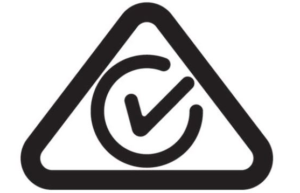
The Regulatory Compliance Mark is used across Australian electrical safety and communications frameworks. A product bearing RCM may need to meet several sets of requirements: electrical safety, electromagnetic compatibility, radio communications or telecommunications. The mark is the visible outcome of those obligations, rather than a single certificate purchased from a regulator.
A useful project starts with the exact equipment, its supply chain and its intended market. An imported wireless appliance, for example, needs a coordinated assessment of the appliance, radio functions and power supply. Australia and New Zealand should be checked separately where local legislation, responsible parties or evidence requirements differ.
Explore the requirements02 / WHERE IT APPLIES
Start with your product’s intended use and category. Here are some of the applications covered in this service.
Coordinate electrical safety, EMC and the added radio functions.
Assess applicable ACMA requirements and supporting technical records.
Review spectrum, interfaces, supplier obligations and markings.
These are examples. The applicable route depends on your product specifications and target market.
03 / THE PATH FORWARD
Move from the first assessment to a documented compliance plan, with clear responsibilities and evidence for your product.
Map functions, markets and the relevant Australian regulatory frameworks.
Compare reports and technical configurations with applicable requirements.
Coordinate declarations, registrations and the responsible supplier file.
Check RCM placement and preserve the evidence supporting supply.
One connected workflow, with your product at the center.
Create your product brief04 / EXPLORE THE DETAILS
Open a topic for guidance on scope, requirements, documentation and practical considerations.
6 topics in this guide
Classify the complete product and its accessories before choosing tests. Record mains connection, intended users, radio bands and network interfaces. ACMA requirements and the Electrical Equipment Safety System address different regulatory concerns, so a safety certificate alone may leave communications obligations unresolved.
ACMA uses a responsible supplier registration process, with an Australian address required for that role. EESS obligations depend on equipment scope and risk level. Confirm which entity will hold the records and respond to the relevant authorities before arranging registration or printing packaging.
Testing should describe the configuration actually supplied: power adapter, cables, enclosure, operating modes and firmware. Review existing reports against the Australian requirements and applicable editions before commissioning missing work. Keep explanations of family relationships so evidence can be traced to each commercial model.
ACMA’s compliance sequence includes demonstrating compliance, signing and retaining the necessary records, and registering before labelling. Make the documentation useful beyond submission: link each declaration to supporting reports, drawings and approved artwork, with an owner responsible for maintaining the file.
The RCM is a regulated mark, with use governed by the relevant labelling arrangements and AS/NZS 4417 requirements. Review its placement alongside ratings, supplier identifiers and other mandatory information. An overseas CE or FCC marking does not automatically establish Australian compliance.
Treat a new adapter, antenna, circuit board or enclosure as an engineering change requiring compliance review. A practical release checklist should identify whether evidence, registrations or declarations need updating. Keep supplier agreements clear about notification of component substitutions and model changes.
Try “testing”, “documents” or “process”.
Requirements vary by product, intended use and market. Confirm the applicable standards and current regulatory route before proceeding.
05 / A LITTLE MORE CLARITY
Practical answers to common questions about RCM Certification.
No. RCM brings several regulatory obligations together; the evidence and registrations depend on the product and framework.
Possibly. Check technical scope, standard editions, national differences and any laboratory acceptance requirements before relying on it.
Do not assume it does. Review New Zealand requirements and responsible supplier arrangements for the intended supply model.
That change needs review because radio functions can introduce additional standards, evidence and labelling obligations.
KEEP YOUR POSSIBILITIES OPEN

Coordinate safety, EMC, and wireless compliance requirements for electrical and electronic products entering South Korea.

Identify Taiwan conformity assessment requirements, prepare technical records, and coordinate testing against applicable CNS standards.

Prepare telecommunications, radio, wireless, and IoT products for Singapore equipment registration and relevant supplier requirements.
LET’S PLAN WHAT’S NEXT
Turn your product details and ambitions into a clear starting point.
Create my product briefService marks and organization names identify the standards and regulatory topics discussed. They do not indicate certification of, affiliation with, or endorsement of Complise Global.